A Rich Spiritual Heritage. A Powerful History. A Call for a New Move of God.
Cincinnati, Ohio, and the surrounding region carry an extraordinary spiritual heritage—one marked by generations of anointed Christian leaders, powerful movements of the Holy Spirit, and believers who dared to pursue God for something greater than themselves. Positioned along the Ohio River, at the crossroads of Ohio, Kentucky, and Indiana, our region has been a significant part of America's Christian revival history for more than two centuries.
Cincinnati has not simply witnessed revival. Our city has helped shape it, nurture it, and carry its influence to the nations.
From the powerful camp meetings of the Second Great Awakening to the birth of the Holiness movement, from Cincinnati's remarkable connection to the Azusa Street Revival to the great evangelistic crusades of Billy Graham, our region has been touched by movements that transformed lives and impacted generations. God has raised up pastors, evangelists, missionaries, intercessors, and courageous Christian leaders throughout our history who answered His call, contended for revival, and helped carry the Gospel far beyond the boundaries of our city.
Our spiritual heritage is rich with accounts of repentance, salvation, divine healing, deliverance, and extraordinary encounters with the Holy Spirit. From historic prayer awakenings and Pentecostal renewal to modern gatherings that have united churches across the region, Cincinnati's Christian history tells a compelling story of what happens when God's people humble themselves, seek His face, and surrender to His purposes.
Yet this history is more than a collection of remarkable events or the legacy of influential leaders. It is a powerful reminder of what God has done through ordinary people who were willing to believe Him for the extraordinary.Each generation has had the opportunity to respond to God's invitation—to lay aside division, pursue holiness, unite in prayer, and partner with Heaven to see His Kingdom advance.
Today, we stand on the shoulders of generations who have gone before us. Their prayers, sacrifices, obedience, and unwavering pursuit of God have helped establish a spiritual legacy that continues to challenge and inspire us.
But the greatest question is not simply what God has done in Cincinnati's past. It is what He desires to do in our region today.
What could happen if pastors, churches, ministries, and believers throughout the region laid aside their differences and came together with one heart, one purpose, and one passionate pursuit of Jesus?
What if we stopped looking only to the great revivals of history and began believing God for a move of His Spirit in our own generation—one that would bring salvation to the lost, healing to the broken, freedom to the captive, and transformation to our communities?
Even Cincinnati’s historic motto, “Juncta Juvant” — “Strength in Unity” (literally, “Things Joined Together Help”) — echoes a powerful truth for the Church today: when the Body of Christ comes together in unity, laying aside division and pursuing God with one heart and one purpose, we are positioned to accomplish far more together for His Kingdom than we ever could apart.
Our history is an invitation to remember God's faithfulness, honor those who have gone before us, and consider the extraordinary possibilities that lie ahead when the Body of Christ comes together in unity, humility, holiness, and wholehearted surrender to Him.
Cincinnati has a revival history worth remembering. But are we ready to make room for what God wants to do next, and for our generation to write the next chapter?
Are we willing to unite, surrender our own agendas, and partner with Heaven for a powerful move of God that could transform Cincinnati, impact our nation, and reach the generations to come? We believe it is our time now. In Cincinnati as it is in Heaven.
1. The Second Great Awakening and the Ohio Valley (1800–1840)
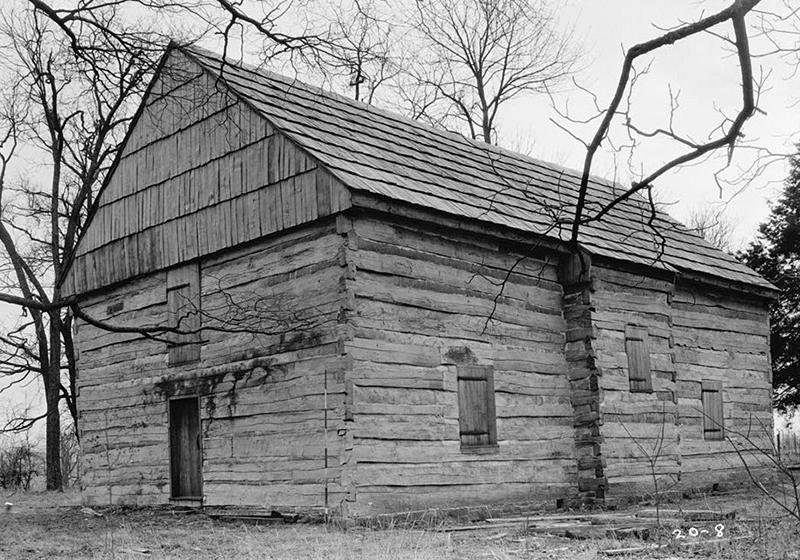
Cane Ridge, KY Meeting House
The earliest major revival movement affecting the Cincinnati region was the Second Great Awakening, a period of widespread evangelical revival that transformed American religious life during the late eighteenth and early nineteenth centuries.
One of its defining gatherings occurred just south of Cincinnati, in Kentucky.
The Cane Ridge Revival — August 6–12, 1801
Location: Cane Ridge Meeting House, near Paris, Bourbon County, Kentucky
Host and leadership: Presbyterian minister Barton W. Stone, with participation by Presbyterian, Methodist, and Baptist preachers.
Attendance: Historical estimates suggest as many as 20,000–25,000 participants.
Emphasis: Repentance, conversion, public confession, extended prayer, and passionate preaching.
The meetings drew people across denominational boundaries. Eyewitness accounts describe intense conviction, weeping, physical manifestations, and people responding publicly to the preaching of the Gospel.
The Cane Ridge gathering became a landmark in the expansion of camp-meeting revivalism throughout Kentucky, Ohio, Indiana, and the expanding American frontier.
Connection to Cincinnati: Although Cane Ridge was approximately 90 miles from Cincinnati and was not a Cincinnati-hosted event, it was part of the religious awakening that shaped the entire Ohio Valley. As Cincinnati expanded during the nineteenth century, Methodist, Baptist, Presbyterian, and other evangelical congregations participated in the region's growing culture of revival preaching, conversion, and church planting.
Worldwide connection: The Second Great Awakening contributed to the broader nineteenth-century Protestant missionary movement. The relationship was historical and institutional rather than a single revival spreading directly from Cane Ridge overseas.
The Cincinnati Presbyterian Revival — 1828–1829
An additional local awakening took place in Cincinnati during 1828–1829.
Leader: Reverend James Gallaher
Location: Cincinnati, Ohio
Church connection: Presbyterian congregations, including the movement associated with the establishment of Third Presbyterian Church.
Historical accounts identify Gallaher's revival preaching as an important influence on the development of Cincinnati's Presbyterian community.
These meetings reflected the broader evangelical awakening sweeping the United States, emphasizing conversion, repentance, personal faith, and the responsibility of churches to reach their communities.
The revival also demonstrates that Cincinnati was developing its own local expressions of spiritual awakening rather than merely observing the large frontier gatherings elsewhere.
2. The Prayer Revival of 1857–1858: Cincinnati Joins a National Awakening
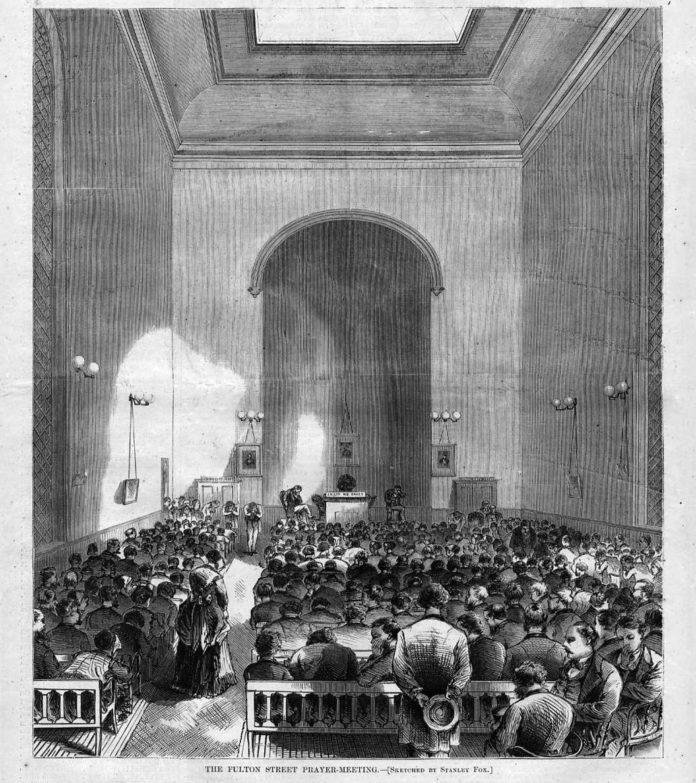
Another important chapter in Cincinnati's history was the great prayer revival of 1857–1858, sometimes associated with the Third Great Awakening.
The movement began on September 23, 1857, when businessman Jeremiah Lanphier organized a prayer meeting in New York City. Initially, only six people attended.
Within months, prayer meetings were filling buildings, and the movement spread to cities throughout the United States.
Cincinnati's participation (1857–1858)
Location: Cincinnati churches and prayer-meeting locations; individual buildings require further archival verification.
Local hosts: Protestant congregations and Christian prayer groups.
Movement's initiating leader: Jeremiah Lanphier, New York City.
Emphasis: Corporate prayer, repentance, evangelism, and spiritual renewal.
Contemporary historical accounts specifically identify Cincinnati among the cities that established prayer meetings during the awakening.
A Presbyterian gathering to consider the need for general revival was also called in Cincinnati following a similar gathering in Pittsburgh.
The movement was notable because it was not primarily driven by a single traveling evangelist. Ordinary Christians, businessmen, church members, and local leaders gathered for prayer, often during the middle of the workday.
The revival spread beyond America and contributed to religious awakenings in Britain and other countries.
Worldwide connection: The prayer awakening became part of a wider nineteenth-century movement of evangelical renewal, demonstrating the influence of united prayer across churches and denominations.
For Cincinnati, it established another historical connection between regional spiritual activity and an international Christian awakening.
3. The Holiness Movement: Cincinnati's Connection to Azusa Street (1880s–1906)
One of Cincinnati's most important contributions to worldwide Christian revival came through its Holiness movement.
During the late nineteenth century, Cincinnati became an influential center of Wesleyan Holiness teaching, emphasizing repentance, sanctification, holy living, and dependence on the Holy Spirit.
Martin Wells Knapp and the Holiness Revival
Key leader: Martin Wells Knapp (1853–1901)
Knapp established a ministry in Cincinnati that included revival preaching, religious publishing, and ministerial education.
His work became associated with God's Revivalist, a publication that spread Holiness teaching beyond Ohio.
The institution now known as God's Bible School and College became an enduring center of Holiness education in Cincinnati.
The extraordinary connection to William J. Seymour
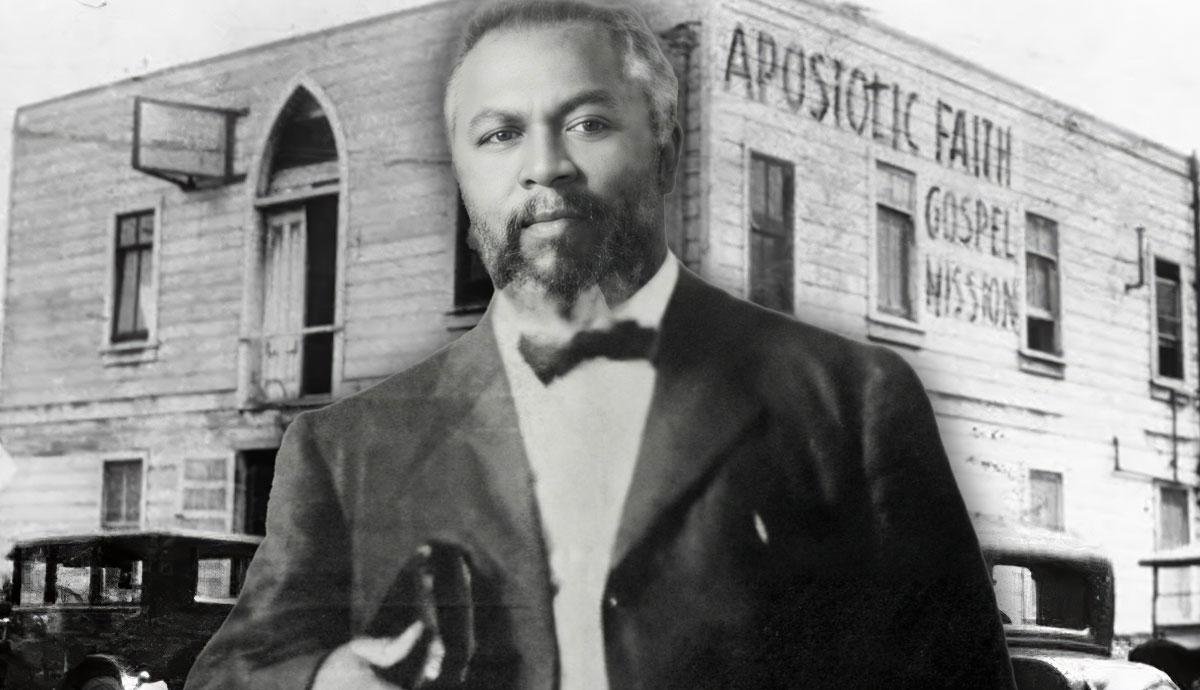
Before leading the historic Azusa Street Revival in Los Angeles in 1906, William J. Seymour lived in Cincinnati.
While in the city, Seymour encountered Holiness teachings associated with Martin Wells Knapp's revivalist movement and Daniel S. Warner's Church of God movement.
These teachings influenced Seymour's developing understanding of sanctification, the Holy Spirit, and the expectation of spiritual awakening.
Seymour later moved to Houston, Texas, where he encountered Charles Parham's Pentecostal teaching. In February 1906, Seymour traveled to Los Angeles.
On April 9, 1906, revival broke out in meetings associated with Seymour at the home of Richard and Ruth Asberry on Bonnie Brae Street.
The meetings subsequently moved to 312 Azusa Street, where the revival continued from 1906 into 1909.
Azusa Street Revival (1906–1909)
Leader: William J. Seymour
Location: Apostolic Faith Mission, 312 Azusa Street, Los Angeles, California
Worldwide influence: Pentecostal Christianity spread internationally through missionaries, visiting ministers, newspapers, and new congregations.
The Azusa Street Revival became one of the most influential Christian revival movements of the twentieth century. Its influence reached Africa, Asia, Europe, Latin America, and beyond.
Cincinnati's historical significance: The city was part of Seymour's spiritual formation before Azusa Street. This is a particularly meaningful connection between Cincinnati and a revival that helped reshape global Christianity.
It would overstate the evidence to say Azusa Street originated in Cincinnati. However, Cincinnati's Holiness ministries influenced the man who became its central leader.
4. Cincinnati Becomes a Missionary Sending Center (1900–1930)
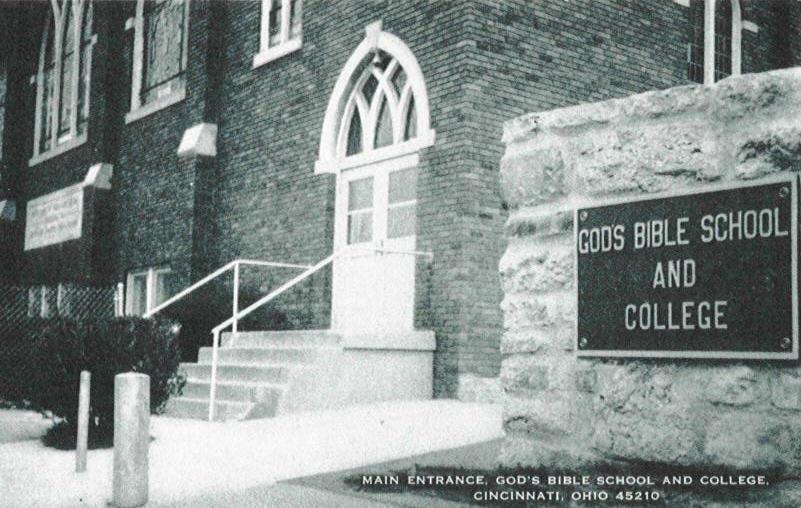
God's Bible School and Missionary Training Home
Founded: September 26, 1900
Founder: Martin Wells Knapp
Original location: Young and Channing Streets, Mount Auburn, Cincinnati
Present campus: 1810 Young Street, Cincinnati
God's Bible School and Missionary Training Home opened in 1900 with 72 students.
It became a place where evangelists, missionaries, and Christian workers were trained and sent into ministry.
Its connection to international revival history is unusually direct.
In the fall of 1900, William and Mabel Hirst left the school for missionary service in Africa.
Charles and Lettie Cowman also departed to establish missionary work in Japan, which later extended to Korea.
Their work became connected to the Oriental Missionary Society, later known as OMS International.
In 1907, Oswald Chambers, who later became internationally known through My Utmost for His Highest, briefly joined the school's faculty.
These connections demonstrate how Cincinnati's influence on worldwide Christianity extended beyond hosting meetings. The city also trained and sent Christian workers into nations experiencing religious renewal.
The 1901 Salvation Park Holiness Camp Meeting
Date: 1901
Location: Salvation Park, Cincinnati
Associated leader: W. B. Godbey
Historical research identifies a Holiness camp meeting held at Cincinnati's Salvation Park in 1901.
Camp meetings were important features of the Holiness movement, often including extended worship, preaching, testimony, prayer, and calls to personal sanctification.
These gatherings helped spread Holiness teaching among both clergy and laypeople and formed part of the religious environment from which twentieth-century Pentecostalism developed.
5. Maria Woodworth-Etter and the Early Pentecostal Healing Revival (1923)
Dates: May 5–20, 1923
Location: Pentecostal Christian Assembly, Ninth and Plum Streets, Cincinnati
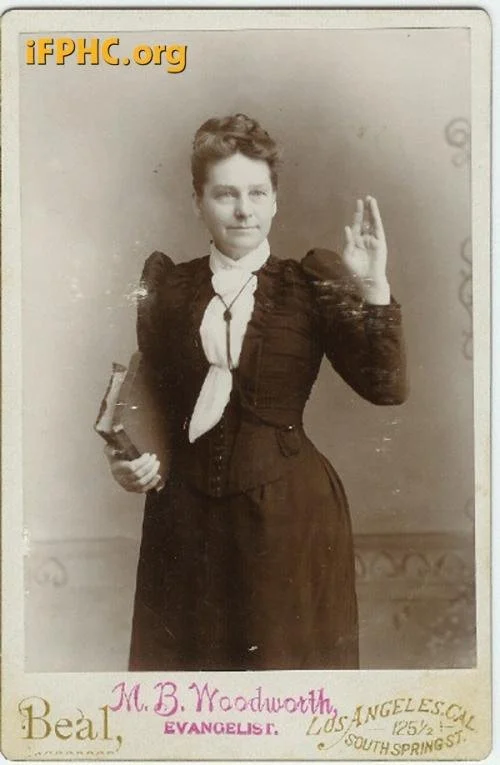
Leader: Maria Woodworth-Etter
Type: Revival and healing campaign
Maria Woodworth-Etter was one of the pioneering women evangelists of the late nineteenth and early twentieth centuries.
Her meetings became known for powerful preaching, calls to repentance, conversions, reported divine healings, and unusual spiritual manifestations.
Long before the healing ministries of Kathryn Kuhlman and Benny Hinn became internationally recognized, Woodworth-Etter was conducting large revival campaigns throughout the United States.
Her ministry bridged the nineteenth-century Holiness movement and the emerging Pentecostal movement.
Cincinnati's 1923 revival campaign
A specialized historical revival index records Woodworth-Etter conducting a revival campaign at Pentecostal Christian Assembly, located at Ninth and Plum Streets in Cincinnati, from May 5–20, 1923.
This places Cincinnati within the early development of Pentecostal healing revivalism.
Woodworth-Etter's ministry helped establish a model of evangelistic meetings combining preaching, prayer for healing, and an expectation of supernatural encounters with God.
Worldwide connection: The early Pentecostal movement spread rapidly during the first decades of the twentieth century. Woodworth-Etter's ministry influenced Pentecostal leaders and evangelists who helped shape the movement's theology and practices.
Her Cincinnati campaign provides an important connection between the region's earlier Holiness heritage and the later international healing revivals.
Historical note: The 1923 event dates and venue come from a specialized historical index and would benefit from corroboration in contemporary Cincinnati newspaper or church archives.
6. The Cincinnati Music Hall Revival of 1946
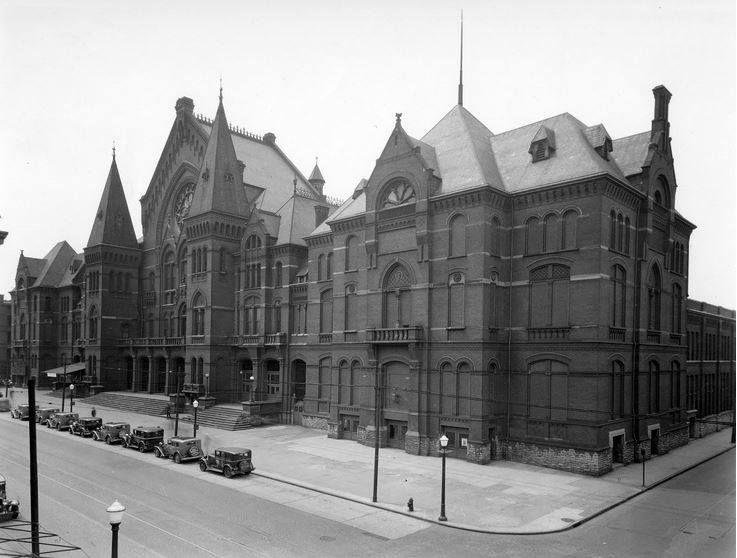
The Cincinnati Citywide Revival — November 1946
Location: Cincinnati Music Hall
Host connection: God's Bible School and College and its evangelistic ministries.
Key leader associated with the subsequent campaign: Meredith Standley, president of God's Bible School.
Significance: The citywide revival served as the launching point for the school's “GIs of the Cross” evangelistic campaign.
The campaign subsequently used jeeps and trailers to carry evangelism throughout much of the United States and into foreign countries over the following three years.
God's Bible School's institutional history explicitly identifies the November 1946 Music Hall revival as the beginning of this campaign.
This is an especially valuable event to include in Cincinnati's revival history because both the month and the venue are documented.
The complete speaker roster and exact opening and closing dates would require examination of historical newspaper archives and God's Revivalist issues.
Worldwide connection: The Music Hall revival was associated with a larger evangelistic outreach effort that extended beyond Cincinnati and eventually beyond the United States.
7. Kathryn Kuhlman and the Healing Revival (1940s–1976)
The mid-twentieth century witnessed the emergence of a widespread Christian healing revival, with evangelists conducting large meetings throughout the United States and internationally.
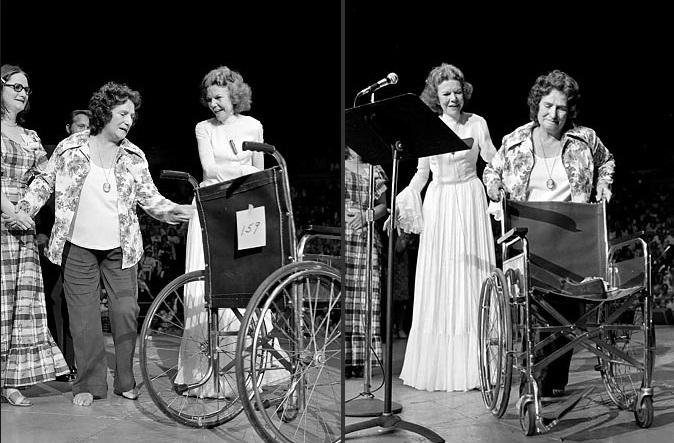
Among the most influential figures was Kathryn Kuhlman.
Kuhlman became known for her emphasis on the person and ministry of the Holy Spirit, salvation, and divine healing.
Her meetings drew thousands of people, with attendees reporting physical healings, spiritual renewal, and life-changing encounters with God.
Kathryn Kuhlman's revival ministry
Period of greatest influence: 1940s–1976
Ohio connections: Historical indexes document meetings in Cleveland in 1952 and April 1975, and Youngstown during the late 1940s.
Kuhlman's ministry was particularly influential in bringing Pentecostal and charismatic expressions of Christianity to audiences beyond traditional Pentecostal denominations.
Connection to worldwide revival
Kuhlman's influence extended well beyond the meetings she personally conducted.
Her emphasis on the Holy Spirit and divine healing influenced later charismatic ministers, evangelists, and international healing ministries.
One of the best-known ministers influenced by Kuhlman was Benny Hinn, who later developed an international evangelistic ministry.
Cincinnati's historical connection: Although Ohio appearances were outside the City, Her ministry is included because of its influence on the broader healing revival movement that shaped charismatic Christianity throughout the region.
8. Billy Graham and the Great Evangelistic Crusades (1951, 1977, 2002)
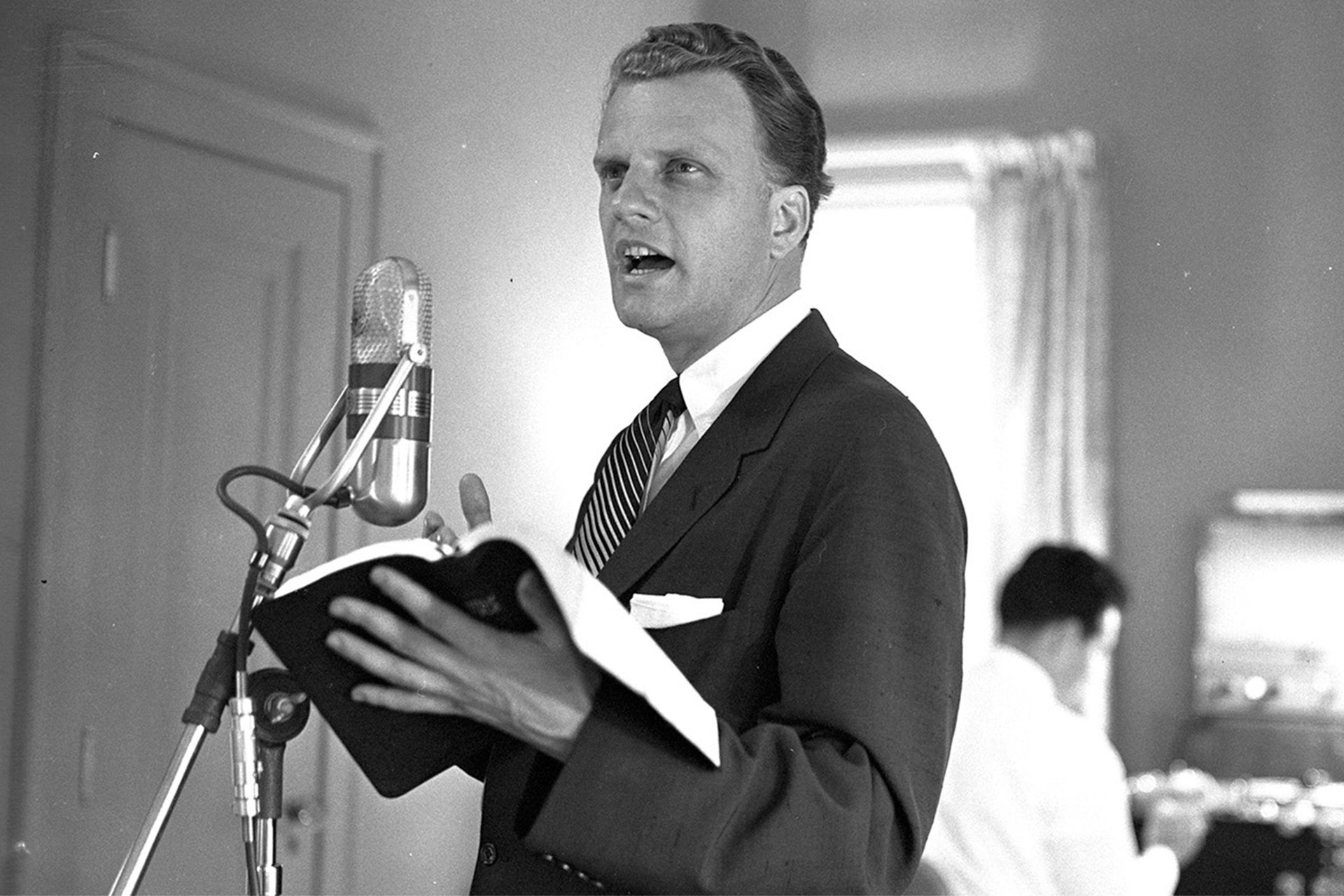
The evangelistic ministry of Billy Graham brought large-scale Christian gatherings to Cincinnati during the twentieth and early twenty-first centuries.
Graham's international crusades represented one of the most significant evangelistic movements of the modern era, reaching audiences across the United States, Europe, Asia, Africa, and Latin America.
The Billy Graham Evangelistic Association's official historical listing identifies Cincinnati crusades in 1951, 1977, and 2002.
The 2002 Cincinnati Crusade
The 2002 crusade drew more than 200,000 people over four nights, according to local reporting.
Graham emphasized reconciliation, love, unity, and the transforming power of Jesus Christ, speaking into a city still experiencing the effects of racial and social tensions from the previous year.
The crusade brought together churches from different denominations and communities, demonstrating the potential for large-scale Christian cooperation around evangelism.
These crusades were organized evangelistic campaigns rather than spontaneous revivals. Nevertheless, they played a significant role in the city's modern history of united Christian outreach.
9. The Jesus Movement and Charismatic Renewal (1960s–1990s)
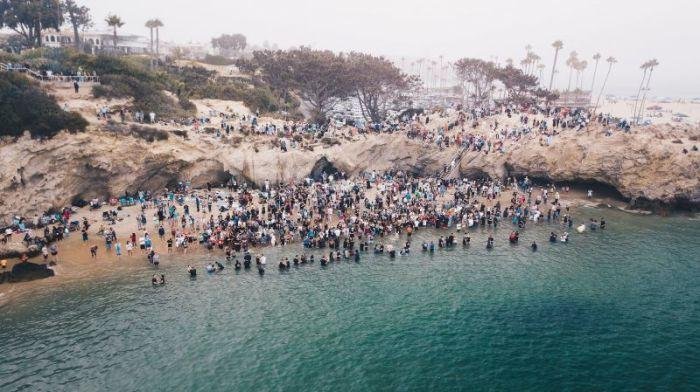
The Jesus Movement emerged in the late 1960s and early 1970s, particularly among young adults seeking a personal relationship with Jesus Christ.
It influenced churches, college campuses, worship music, evangelism, and the development of new Christian movements.
Cincinnati experienced overflow of this awakening.
The Jesus Movement at the University of Cincinnati (1970–1971)
Location: University of Cincinnati and surrounding churches.
Period: 1970–1971.
Participating communities: Christian students, local churches, and campus ministries.
A firsthand recollection published in WORLD describes conversions, overnight prayer meetings, reports of healing, and public baptisms among students at the University of Cincinnati during this period.
The account also mentions College Hill Presbyterian Church and the teaching ministry of R. C. Sproul.
This is a personal historical testimony rather than an independently verified citywide revival record.
Nevertheless, it provides evidence that the broader Jesus Movement reached Cincinnati's university community.
The Vineyard Movement Comes to Cincinnati (1983–1985)
Founding leaders: Steve and Janie Sjogren
Location: Initially homes and rented meeting spaces around Cincinnati.
First dedicated building: Crescentville Road, 1989.
Later location: Springdale, beginning in 1999.
Present location: 11340 Century Circle East, Cincinnati.
The Vineyard movement emerged from the Jesus Movement in California and became closely associated with John Wimber's teaching on the Kingdom of God, worship, healing, evangelism, and the gifts of the Holy Spirit.
Steve and Janie Sjogren moved to Cincinnati in November 1983, and the local Vineyard congregation identifies 1985 as its planting year.
Cincinnati Vineyard became particularly influential through its emphasis on servant evangelism: demonstrating the love of Christ through practical acts of service.
Worldwide connection: Vineyard developed into an international church movement. Cincinnati became one of the cities where its approach to evangelism, ministry, and church planting took root and spread to other communities.
10. The North Georgia Revival Comes to Cincinnati: Seven Kingdom Gatherings (2021–2023)
Between 2021 and 2023, Greater Cincinnati became a regional gathering point for the North Georgia Revival through a series of seven Kingdom Gatherings organized in partnership with Restoring Lives International (RLI), led by Mike and Bryn Kelly.
These gatherings brought Pastor Todd Smith of Christ Fellowship Church in Dawsonville, Georgia, to the Cincinnati region.
The meetings united churches, pastors, ministry leaders, and believers from Ohio and Indiana in worship, prayer, biblical teaching, and water baptism.
Approximately 1,000 people were baptized during this period of regional revival activity, along with hundreds of documented healings, miracles, salvations, and deliverances.
Connection to the North Georgia Revival
The North Georgia Revival began on February 11, 2018, at Christ Fellowship Church in Dawsonville, Georgia, under the leadership of Pastors Todd and Karen Smith.
The revival became known for extended worship, repentance, prayer, and water immersion ministry.
Participants reported experiences of healing, deliverance, salvation, restoration, and encounters with the presence of God.
As the revival gained attention, Pastor Todd Smith traveled throughout the United States and internationally, sharing its message and ministering at other churches and revival gatherings.
The Cincinnati Kingdom Gatherings were part of that wider expansion, bringing the North Georgia Revival's emphasis on the presence of God and baptismal ministry into the Ohio Valley.
The Kingdom Gatherings represent an important modern chapter in Cincinnati's revival history for three reasons.
First, they established a direct connection between Greater Cincinnati and the North Georgia Revival, a movement that had attracted national and international attention since 2018.
Second, they brought together churches and ministries across denominational, organizational, and geographic boundaries. The meetings were not confined to one congregation or city but extended from Cincinnati and Loveland to Blanchester, Dayton, and Richmond, Indiana.
Third, they emphasized participation rather than spectatorship. Attendees were invited into extended worship, intercession, and baptismal ministry. RLI and participating ministries reported testimonies of healing, deliverance, restoration, and renewed commitment to Jesus Christ.
For RLI, these gatherings also reflected its longstanding commitment to biblical deliverance, inner healing, discipleship, and equipping the Church to minister the freedom and restoration available through Jesus Christ.
The reported nearly 1,000 baptisms, and hundreds of supernatural healings and salvations make this one of the most significant modern regional revival initiatives described in this history.
11. The Asbury Revivals and the Cincinnati Region (1970 and 2023)
Located in Wilmore, Kentucky, Asbury University is outside Greater Cincinnati but close enough to have an important regional connection.
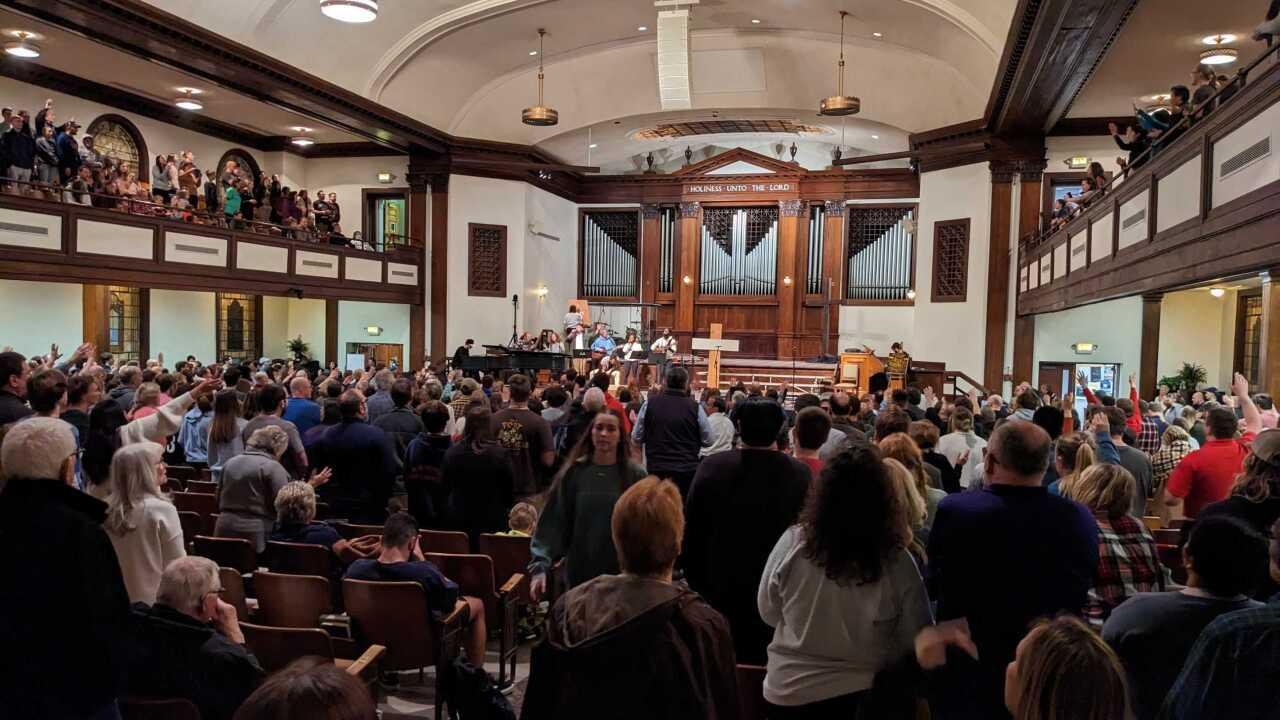
Asbury experienced a nationally influential revival beginning February 3, 1970, when chapel services developed into approximately 144 hours of continuous worship and prayer.
More than fifty years later, on February 8, 2023, a routine chapel service developed into an extended gathering of prayer and worship, attracting visitors from across the United States and internationally.
The 2023 Asbury Outpouring
Beginning: February 8, 2023
Host: Asbury University
Location: Hughes Auditorium, Wilmore, Kentucky
Emphasis: Repentance, worship, prayer, testimony, and spiritual renewal.
The university reports that visitors traveled from around the world, including Russia and Japan, to attend the 2023 gatherings.
The movement received international attention as thousands of people traveled to Wilmore to participate in prayer and worship.
The gathering also prompted discussions about revival, repentance, discipleship, and spiritual renewal across churches and universities.
Cincinnati connection: These revivals belong to the wider Kentucky and Ohio Valley revival story. Churches around the region began having revival nights with worship, prayer and local evangelism.
12. Regional Prayer, Revival, and Christian Unity Movements (2002–2024)
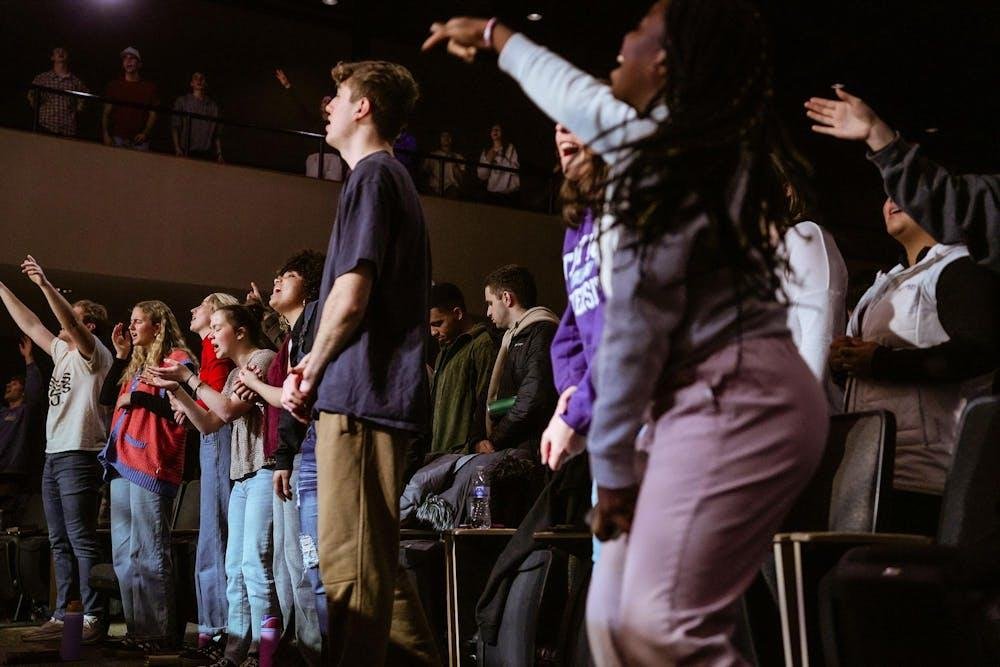
Throughout the early twenty-first century, Cincinnati and the surrounding Ohio Valley became a gathering place for regional and international prayer movements seeking spiritual awakening, unity within the Church, and transformation of communities through the power of the Gospel.
These initiatives brought together pastors, ministry leaders, intercessors, worship teams, and believers from different congregations and denominations, reflecting a shared desire to see revival throughout Greater Cincinnati.
Transformation Cincinnati–Northern Kentucky (2002–2021)
Founded in 2002, Transformation Cincinnati–Northern Kentucky emerged as a regional initiative dedicated to uniting churches, Christian leaders, and marketplace believers in prayer, repentance, reconciliation, and community transformation.
Early leadership included Christian businessman Ford Taylor, whose emphasis on humility, personal repentance, and reconciliation helped shape the movement's vision.
Through regional prayer initiatives and relationships among churches, Transformation Cincinnati encouraged believers to pursue spiritual renewal beyond individual congregations, emphasizing the importance of unity within the Body of Christ.
TheCall Revival Man Tour and the Circuit Riders (2017–2018)
TheCall's Revival Man Tour, led by Lou Engle, brought gatherings to Ohio, including the Cincinnati region, during 2017 and 2018.
The gatherings emphasized fasting, repentance, intercession, holiness, and a renewed outpouring of the Holy Spirit.
Participating leaders included Lou Engle, Will Ford, Matt Lockett, and Robby Dawkins, with worship ministry from Lindy Conant and the Circuit Riders.
The Circuit Riders, a missionary and evangelistic movement connected to Youth With A Mission (YWAM), brought an emphasis on reaching younger generations through worship, evangelism, discipleship, and spiritual awakening.
Their participation connected Cincinnati to a growing international movement mobilizing young believers to proclaim the Gospel and pursue revival in their communities.
International Prayer Gatherings and the Cincinnati Prayer Canopy (2024)
In 2024, the Greater Cincinnati Prayer Canopy helped coordinate a series of regional prayer gatherings involving visiting Korean intercessors and participating local churches.
The gatherings brought together Christians from different congregations to pray for revival, unity, and spiritual transformation throughout the region.
The involvement of Korean intercessors connected Cincinnati with South Korea's longstanding traditions of corporate prayer, intercession, and evangelical revival, reflecting the international relationships developing around regional prayer initiatives.
A Shared Vision for Revival in Cincinnati
Although these movements were organized independently, they shared several important emphases: united prayer, repentance, holiness, worship, evangelism, reconciliation, and cooperation across denominational boundaries.
Together, Transformation Cincinnati–Northern Kentucky, TheCall, the Circuit Riders, and the Greater Cincinnati Prayer Canopy represent an important chapter in the region's modern Christian history.
Their gatherings demonstrate a continuing commitment among local and international Christian leaders to seek spiritual awakening—not simply within individual churches, but throughout Cincinnati, Northern Kentucky, and the broader Ohio Valley.
Worldwide connection: These initiatives connected Cincinnati to international networks of prayer, missions, and evangelism, including TheCall, Youth With A Mission, and Korean Christian intercessory ministries. Their participation reflects the region's continuing relationship with worldwide movements seeking revival, discipleship, and the advancement of the Gospel.
Cincinnati's Place in the Worldwide Revival Story
The most compelling conclusion from the historical record is that Cincinnati has served several different roles in Christian revival history.
It was a receiving city, influenced by the great evangelical awakenings of the nineteenth century.
It became a training and sending city, through its Holiness institutions and missionary ministries.
It was also a formative city, influencing William J. Seymour before he led the Azusa Street Revival, a movement that helped transform global Pentecostal Christianity.
Later, Cincinnati became a gathering place for large evangelistic crusades and a home for ministries connected to international charismatic and evangelical movements.
In the twenty-first century, the Billy Graham Crusade, the Kingdom Gatherings hosted by Restoring Lives International and its regional ministry partners demonstrated a continuing desire for spiritual awakening across the Ohio Valley. Their connection to the North Georgia Revival, their cooperation among churches, and their emphasis on worship, deliverance, healing, and baptism added another chapter to Cincinnati's Christian heritage.
The Korean intercessory gatherings, the influence of the Asbury Outpouring, and the continued work of international evangelistic ministries likewise demonstrate that the region remains connected to movements of Christian prayer and renewal beyond its own borders.
A heritage of prayer, repentance, healing, and evangelism
Across more than two centuries, several recurring themes emerge.
Prayer and repentance: From the Second Great Awakening through the prayer revival of 1857–1858 and modern intercessory gatherings.
The Holy Spirit and divine healing: From the Holiness movement and early Pentecostal revivalists to the international healing ministries of the twentieth century.
Evangelism and salvation: From frontier camp meetings to Billy Graham's stadium crusades and modern university evangelism.
Unity across churches: From the multidenominational Cane Ridge gathering to the Kingdom Gatherings connecting churches throughout Ohio and Indiana.
Missionary influence: From Cincinnati's Holiness training institutions to worldwide Pentecostal and charismatic movements.
Cincinnati has a rich history of revival, and now we have an extraordinary opportunity to unite once again and partner with Heaven for a powerful move of God in our region! As Mario Murillo brings the Night of Miracles to Cincinnati in December 2026, followed by the anticipated Tent Revival in 2027, we are calling pastors, churches, ministry leaders, and believers across the region to come together in prayer, unity, and wholehearted pursuit of God's presence. Will you join us in preparing the way, believing for the lost to be saved, the sick to be healed, captives to be set free, and a move of God that will transform our city and impact generations to come?